
Tips for Driving in Singapore as a Foreign Visitor
Key Takeaways
- Car rental for foreigners offers flexibility for business trips, holidays, and family travel.
- Familiarise yourself with the city-state’s driving rules before getting behind the wheel.
- Ensure your driving licence and rental documents meet local requirements.
- Plan routes in advance to avoid Electronic Road Pricing (ERP) charges and heavy traffic.
- Drive defensively and follow speed limits to reduce the risk of fines and accidents.
- Inspect the rental vehicle before departure and understand the rental company’s policies.
Introduction
Driving gives foreign visitors greater flexibility when travelling for work, sightseeing, or family commitments. Many travellers choose car rental for foreigners because it allows them to move between destinations without depending on public transport schedules. Before driving, however, it is important to understand the local traffic rules, documentation requirements, and road systems. Whether you are staying for a few days or several weeks, being familiar with local regulations helps you drive safely and avoid unnecessary penalties.
Confirm That Your Documents Are Valid
Before collecting a rental vehicle, verify that your driving licence is accepted by the rental provider. Visitors from many countries can drive using a valid foreign driving licence for a limited period, while others may also require an International Driving Permit. Carry your passport, driving licence, rental agreement, and any additional identification requested by the rental company whenever you are driving. Reviewing these requirements before your arrival helps prevent delays during vehicle collection and ensures that you meet local regulations. It is also worthwhile to check the minimum driver age, driving experience requirements, and whether additional drivers need to be registered before using the vehicle.
Learn the Region’s Traffic Rules
Singapore follows left-hand traffic, which may require adjustment for visitors from countries where vehicles drive on the opposite side of the road. Pay close attention to lane positioning, roundabouts, and turning procedures until you become comfortable with the road layout. Speed limits are clearly displayed and should always be observed. Seat belts are mandatory for all occupants, and mobile phone use while driving is prohibited unless using an approved hands-free system. Traffic enforcement is strict, and violations such as speeding, illegal parking, or running red lights can result in fines. Understanding these rules before driving makes it easier to navigate confidently and responsibly.
Understand Road Charges and Parking
One feature that foreign drivers should understand is the region’s Electronic Road Pricing (ERP) system. Certain roads and expressways apply charges during specific periods to manage traffic flow. Most rental vehicles are equipped with the necessary equipment to process these charges automatically, but renters should confirm how these fees are billed before leaving the rental office. Parking is also regulated across shopping centres, commercial buildings, residential areas, and public car parks. Different locations may have varying payment methods and operating hours, so checking parking instructions before leaving your vehicle can help avoid penalties.
Plan Your Journey Before Driving
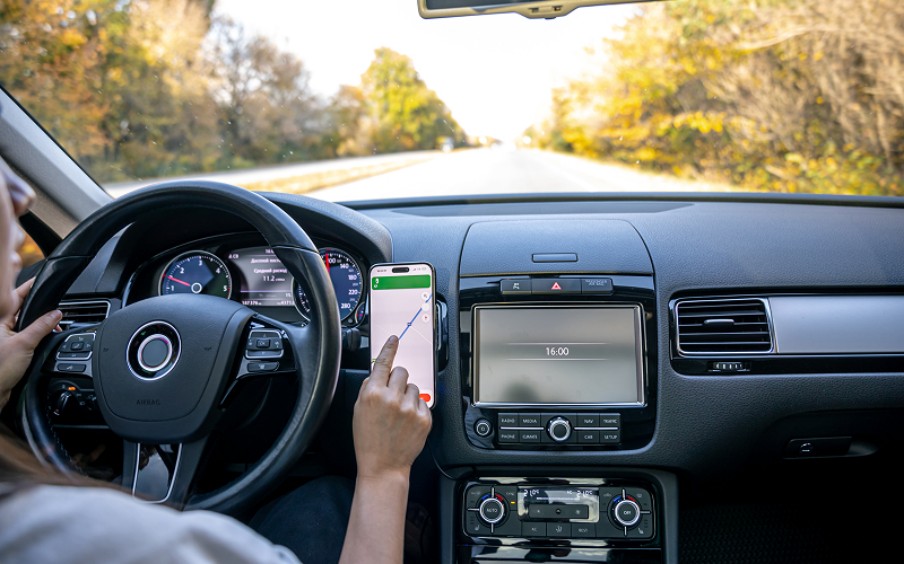
Planning ahead reduces unnecessary stress while driving in unfamiliar surroundings. Navigation applications provide real-time traffic updates, estimated travel times, and alternative routes when congestion occurs. This preparation is especially useful when travelling to business meetings, tourist attractions, or airports where arrival times are important. Visitors choosing short-term car rental in Singapore should also become familiar with nearby fuel stations, parking facilities, and expressway exits before beginning longer journeys. Taking a few minutes to review the route beforehand can improve safety and reduce distractions while driving.
Inspect the Vehicle Before Departure
Before driving away, inspect the rental vehicle carefully. Check for scratches, dents, tyre condition, lights, mirrors, and fuel level, and ensure that any existing damage is documented by the rental company. Test important features such as indicators, brakes, air conditioning, windscreen wipers, and navigation equipment where available. Understanding the vehicle’s controls before entering traffic reduces unnecessary interruptions during the journey. It is also advisable to review the rental agreement carefully so you understand insurance coverage, fuel policies, mileage limits, emergency assistance procedures, and return requirements.
Drive Defensively Throughout Your Trip
Driving in an unfamiliar country requires extra attention. Maintain safe following distances, signal well before changing lanes, and remain aware of cyclists, pedestrians, buses, and motorcycles sharing the road. Avoid sudden braking or aggressive manoeuvres, particularly during busy traffic periods. If you miss an exit, continue safely to the next available turn instead of making last-minute lane changes. Drivers using short-term car rental should also allow extra travel time, especially during peak hours, to minimise unnecessary pressure and encourage safer driving decisions.
Conclusion
Driving in the city-state is generally straightforward when visitors understand the local regulations and prepare before starting their journey. Choosing a car rental for foreigners provides flexibility, but safe driving depends on having the correct documents, understanding traffic laws, planning routes, and following rental procedures carefully. By taking these practical steps, foreign visitors can navigate the region’s roads with greater confidence while making the most of their time behind the wheel.
Contact myCarriage for a convenient way to explore the city.