
Balancing Personal Time and Community Living in Co-Living Spaces
Key Highlights
- Successful co-living involves balancing privacy and interaction.
- Personal routines remain important within shared environments.
- Community engagement can happen naturally without constant participation.
- Clear boundaries often contribute to a positive living experience.
Introduction
One of the most common misconceptions about co-living is that residents are constantly surrounded by others. While community interaction is an important aspect of the experience, modern co-living environments are designed to support both social engagement and personal independence.
As interest in co-living in Singapore continues to grow, residents increasingly seek living arrangements that allow them to enjoy meaningful connections without sacrificing privacy. A well-designed co-living space in Singapore creates opportunities for interaction while still giving individuals the freedom to manage their own schedules, preferences, and personal time.
Understanding That Community Does Not Mean Constant Socialising
Some people hesitate to explore shared housing options because they assume participation in community activities is expected at all times. In reality, most residents appreciate having the flexibility to choose when and how they engage with neighbours.
Because meaningful connections usually develop naturally through simple day-to-day greetings rather than forced group events, trying out co-living in Singapore appeals to individuals who value their personal downtime. You can easily enjoy a welcoming social network without feeling obligated to stay socially active every single day.
Living this way creates a highly comfortable and sustainable environment. Finding a balance between hanging out in common areas and relaxing alone ensures that your home routine stays completely stress-free.
Establishing Personal Routines Within Shared Environments
Maintaining personal routines helps residents preserve a sense of stability regardless of how many people share the living environment. Daily habits provide structure and allow individuals to protect time for work, exercise, hobbies, or relaxation.
A successful shared experience often depends on recognising the importance of individual schedules. Residents have different working hours, lifestyles, and commitments, making flexibility an essential feature of modern group housing arrangements where everyone follows their own path.
To help working professionals stay highly productive while enjoying a shared residential setting, a premium co-living space in Singapore provides quiet zones where residents can focus on personal priorities without unnecessary interruptions. Designing properties around different daily needs keeps everyone happy.
Using Shared Spaces Intentionally
While researching the best options for co-living in Singapore ahead of your next university semester, looking for layouts that feature multi-functional lounges will make a massive difference to your comfort. Common areas support different needs depending on your mood.
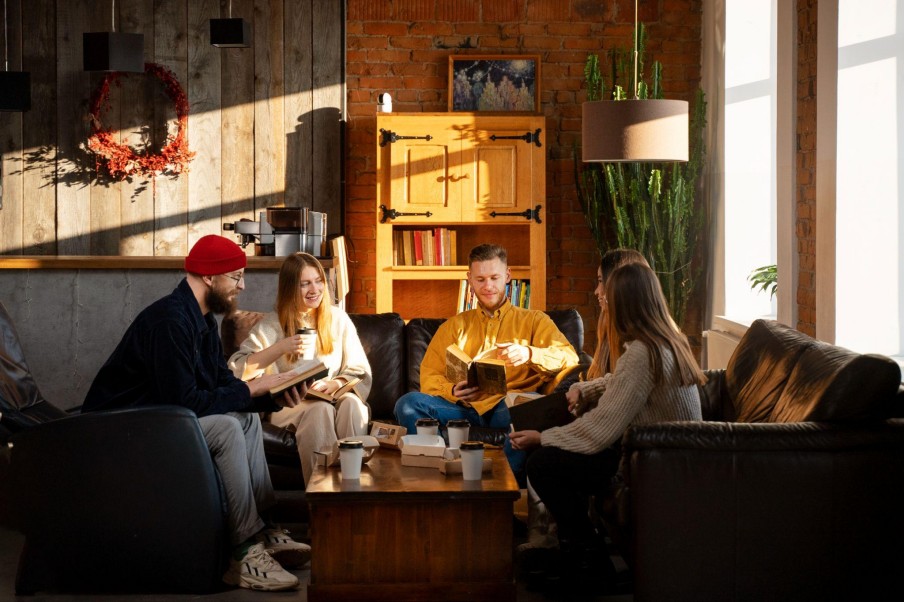
Some residents use shared lounges to unwind after work, while others prefer them as places for casual conversations or collaborative projects. The inherent flexibility of these shared spaces allows people to hang out on their own terms.
This smart balance contributes heavily to the growing popularity of shared developments. Residents appreciate having access to vibrant communal environments whenever they feel like chatting while retaining complete control over their privacy.
Respecting Boundaries Creates Stronger Communities
Healthy communities are built upon mutual respect rather than constant interaction. Residents who understand personal boundaries contribute to a more comfortable and welcoming environment for everyone involved by keeping shared areas tidy.
To ensure that group housing options run smoothly and stay welcoming for everyone, a well-managed co-living space in Singapore thrives when individuals balance open communication with genuine consideration for their housemates. Respecting quiet hours builds lasting trust among busy professionals.
Voluntary engagement makes relationships much stronger over time. Understanding that neighbours occasionally prefer total solitude ensures that the entire community environment remains completely comfortable, relaxed, and enjoyable for all residents.
Conclusion
Balancing personal time and community living is one of the defining characteristics of modern co-living spaces. Residents can enjoy social opportunities, shared experiences, and meaningful connections while maintaining their own routines and independence. By approaching shared living with flexibility, intentional participation, and mutual respect, individuals can create a rewarding experience that combines the best aspects of privacy and community.
Contact Coliwoo to discover a balanced living environment that combines total personal independence with a welcoming, relaxed community atmosphere that suits your daily lifestyle perfectly.